
AMF Enterprises
How Roadside Heavy-Duty Truck Diagnostics Help Find Engine Problems Fast
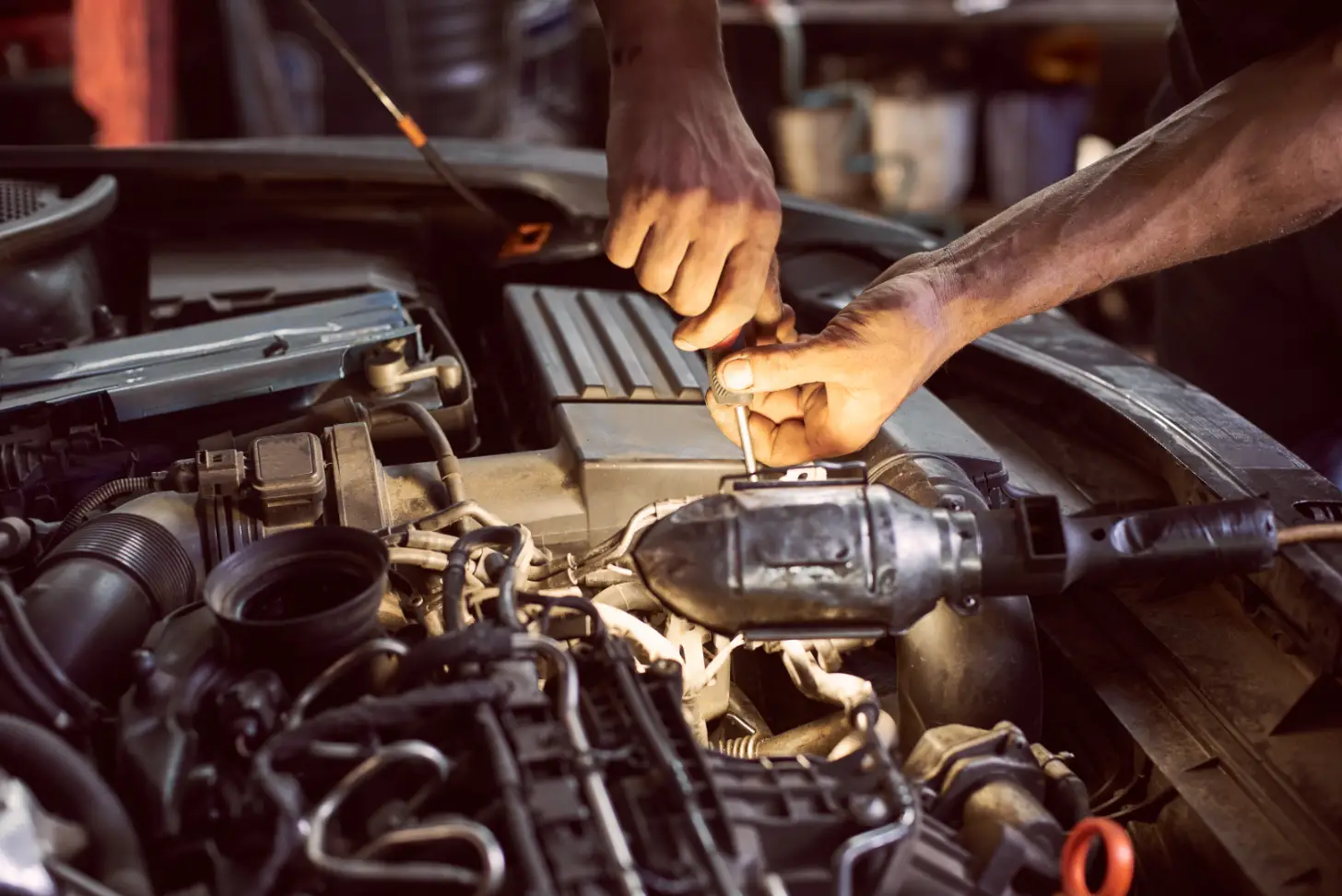
Your engine loses power outside Mt Nebo, but nothing obvious is broken. Guessing at the cause can waste valuable hours and lead to unnecessary parts replacement. Heavy-duty truck diagnostics narrow the problem by combining electronic data with physical testing, helping technicians decide what can be repaired roadside and what needs deeper shop work.
Early roadside truck diagnostics can give you that direction before a breakdown consumes the rest of your schedule.
What Are Roadside Heavy-Duty Truck Diagnostics?
Roadside diagnostics are the tests technicians perform at or near the breakdown location to determine why a commercial truck is malfunctioning. The process can include reading electronic information, checking electrical circuits, inspecting components, and comparing symptoms with the truck's operating data.
Modern heavy-duty trucks depend heavily on electronic controls. The engine control module, or ECM, manages numerous engine functions, which makes electronic information an important starting point when a warning light, power loss, or drivability problem develops.
Diagnostics still require more than connecting a scan tool. A code can identify the system that detected a problem, but technicians must determine what actually caused that condition.
How Do Technicians Start Diagnosing A Roadside Engine Problem?
Good diesel engine diagnostics begin with the symptoms. The technician needs to know what happened immediately before the truck stopped operating normally.
Useful details include:
- Warning lights that appeared
- Loss of engine power
- Unusual sounds or vibration
- High coolant temperature
- Oil-pressure warnings
- Hard starting or no-start conditions
- Smoke or unusual exhaust behavior
- Recent repairs or recurring problems
- Conditions present when the problem started
That information helps narrow the search before testing begins. If the driver noticed rising temperature before an engine derate, for example, the diagnostic process may look very different from a truck that suddenly shut down without warning.
Clear driver information saves time because the technician has a better picture of the failure before opening the hood.
Why Aren't Fault Codes A Complete Diagnosis?
Fault codes provide clues, not automatic answers. A code usually identifies a system, circuit, sensor reading, or operating condition that moved outside an expected range.
Several different problems can sometimes produce similar electronic symptoms. A wiring fault may affect a sensor signal. A failed sensor may report incorrect information. A mechanical problem can also create data that causes the ECM to register a fault.
That is why effective ECM diagnostics combine scan data with additional testing. Replacing the component named in a code without confirming the cause can waste money and leave the original problem unresolved.
Technology has changed how technicians approach these issues, and advanced truck diagnostics can provide more information than a warning light alone.
How Does Live Data Help Find Engine Problems Faster?
A diagnostic scan tool can often display live operating information while the engine runs or while the technician performs specific tests. Comparing those readings can help reveal abnormal behavior.
The useful data depends on the truck and problem. Technicians may review engine speed, temperatures, pressures, voltage readings, sensor values, and other ECM information.
Live data becomes especially helpful when a check engine light appears but the physical cause is not immediately visible. Instead of inspecting every possible component equally, the technician can focus testing on the systems showing unusual behavior.
Still, electronic data needs context. A value that looks unusual during one operating condition may be expected during another.
What Mechanical Problems Can Roadside Diagnostics Find?
Some breakdowns cannot be solved electronically. Technicians still need to inspect the truck itself for evidence that explains what the computer is reporting.
Cooling-system failures are a good example. Heavy-duty engine overheating may involve components such as the fan clutch, radiator, or water pump. Loss of oil pressure can involve low oil levels or an oil-pump problem, while fuel delivery issues can cause an engine to stall or lose power.
During a truck breakdown, a technician may inspect for:
- Fluid leaks
- Damaged wiring or connectors
- Loose electrical connections
- Cooling-system problems
- Belt or hose damage
- Fuel-delivery concerns
- Battery and charging problems
- Visible component damage
Combining these findings with electronic information creates a much stronger diagnosis than either approach alone.
Can Electrical Problems Cause Engine Symptoms?
Yes. Heavy-duty trucks rely on electrical power, sensors, control modules, connectors, wiring, batteries, and charging components. A poor electrical connection can create symptoms that appear mechanical at first.
Voltage problems may also interfere with reliable communication between electronic systems. That makes electrical testing an important part of heavy-duty truck diagnostics, especially when a fault appears intermittently.
Technicians may inspect battery condition, charging output, wiring integrity, connectors, grounds, and circuit voltage depending on the symptom.
The goal is to confirm the cause before replacing expensive components. Parts swapping without testing can quickly increase the cost of a roadside repair.
How Do Diagnostics Reduce Vehicle Downtime?
Fast diagnosis helps because every repair decision depends on knowing what failed. Without that information, drivers and fleet managers can lose time arranging the wrong repair, searching for unnecessary parts, or moving the truck somewhere that cannot complete the work.
Vehicle downtime also extends beyond technician labor. A disabled truck can affect the driver's schedule, freight movement, customer commitments, and equipment availability.
Tracking the broader commercial vehicle downtime can help fleet managers see why faster diagnosis matters operationally.
A clear diagnosis also answers another important question: Can the truck be safely repaired where it sits, or does it need towing?
That distinction can prevent hours of trial and error.
Can Every Engine Problem Be Repaired Roadside?
No. Mobile diesel repair has practical limits.
Some problems can be corrected at the breakdown location when access, tools, replacement parts, and working conditions allow it. Other failures require specialized equipment, extensive disassembly, or a controlled shop environment.
The first priority is determining what failed and what the truck needs next. A successful roadside diagnostic visit may end with a completed repair, but it can also end with a clear recommendation for towing or scheduled shop service.
That information still saves time because everyone involved can move directly toward the appropriate repair instead of guessing.
How Can You Help A Technician Diagnose Your Truck Faster?
Preparation can shorten the diagnostic process before the service truck arrives. Give the technician accurate information and avoid clearing warnings or repeatedly restarting the truck unless necessary for safety.
Keep records of recent repairs and recurring complaints. If the same check engine light, power-loss problem, or cooling concern keeps returning, previous work orders can provide valuable clues.
Preventive service matters here too. Repeated breakdowns sometimes develop from small maintenance issues that were left unresolved. Reviewing costly maintenance mistakes can help you identify habits that increase the chance of larger failures.
For fleets operating around Mt Nebo, Sutton, and central West Virginia, good records also help technicians distinguish a new failure from an ongoing pattern.
Faster Diagnosis Starts With Better Information
Effective roadside heavy-duty truck diagnostics combine driver observations, fault codes, live electronic data, electrical testing, and hands-on inspection. That process helps technicians narrow engine problems quickly and determine the most practical next step.
A fast diagnosis will not make every repair simple, but it can remove much of the uncertainty that makes a roadside breakdown expensive.
If your truck develops an engine problem around Mt Nebo or Sutton, contact AMF Enterprises for roadside diagnostics and help determining what your truck needs to get safely back into service.
Contact AMF Enterprises
Get in touch with AMF Enterprises today for professional heavy-duty truck repair services from experienced diesel mechanics. Visit us in our shop in Mt. Nebo, WV or give us a call with any questions, to request a quote, and to schedule service!