
AMF Enterprises
Why DOT Inspections Fail: The Most Overlooked Issues on Commercial Trucks
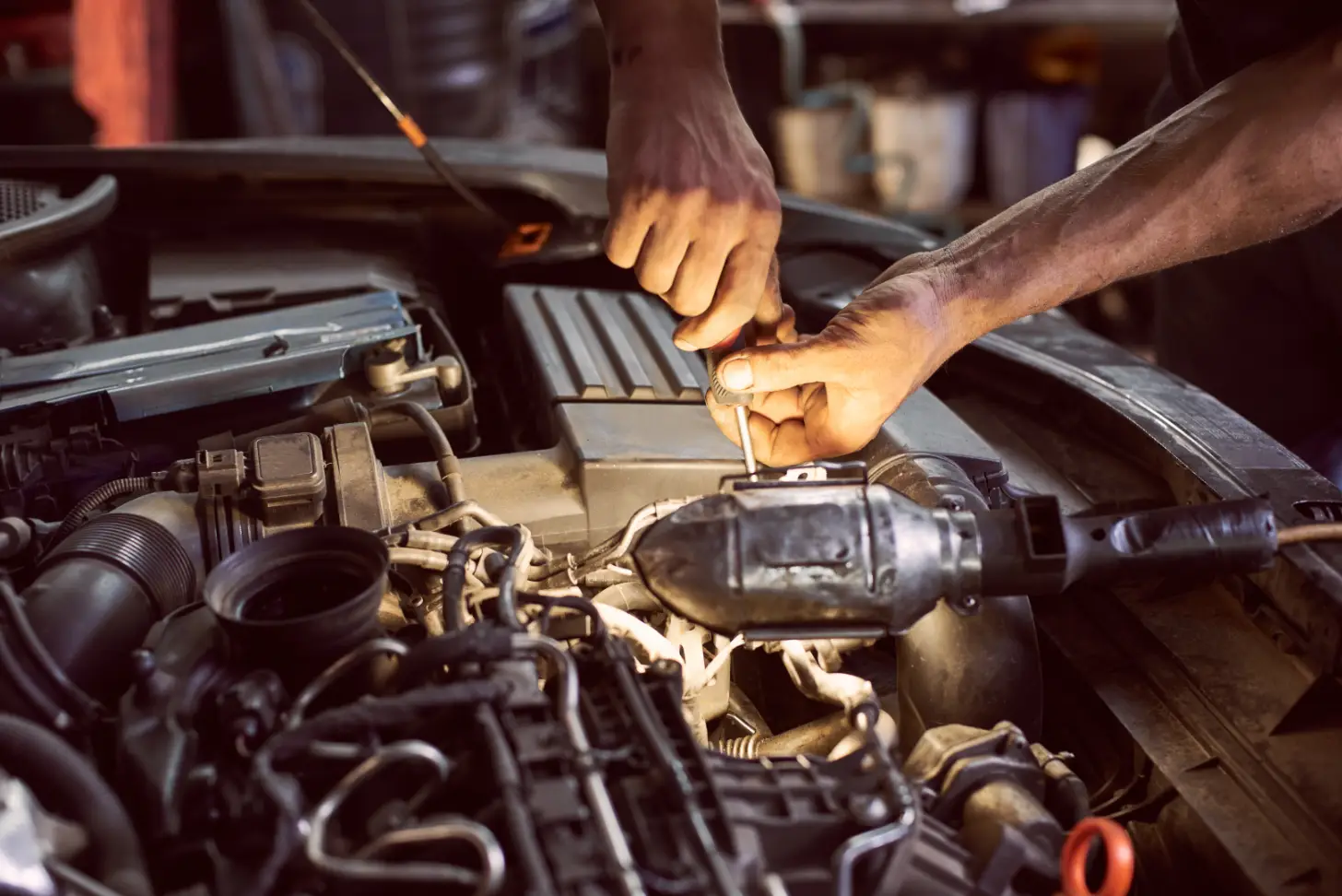
DOT inspections often fail because of overlooked maintenance issues like worn brakes, damaged tires, air leaks, faulty lights, or fluid leaks. Identifying these problems before inspection day helps keep your truck compliant, reduces the risk of out-of-service violations, and minimizes costly downtime.
Many drivers assume a DOT inspection only catches major mechanical failures. In reality, inspectors often find simple defects that developed gradually over time. The good news is that most inspection failures are preventable with regular inspections and timely repairs.
What Are The Most Common Reasons Commercial Trucks Fail DOT Inspections?
Brake defects, tire damage, lighting problems, air leaks, fluid leaks, worn steering or suspension components, and missing or damaged safety equipment are among the most common causes of DOT inspection failures.
Brake Problems Remain the Leading Cause of Inspection Failures
Brake defects consistently rank among the most common reasons commercial trucks fail inspections because every component of the air brake system must work properly.
Heavy-duty trucks rely on compressed air instead of brake fluid to activate the brakes. The system includes an air compressor, air tanks, air lines, brake chambers, slack adjusters, S-cams, brake shoes, and brake drums. If one component fails or wears excessively, braking performance can suffer.
Inspectors often discover:
- Worn brake shoes
- Air leaks
- Damaged brake chambers
- Improper slack adjuster operation
- Excessively worn brake drums
Brake inspections should be part of every preventive maintenance schedule, not something performed only before a DOT inspection.
Tire Problems Can Lead to Immediate Violations
Damaged or worn tires increase the risk of blowouts and reduce vehicle control. Uneven wear may also indicate suspension or alignment problems that should be corrected before new tires are installed. Replacing one damaged tire costs far less than dealing with a roadside tire failure or an out-of-service violation.
Inspectors carefully examine commercial truck tires for:
- Low tread depth
- Cuts or sidewall damage
- Exposed cords
- Bulges
- Improper inflation
- Uneven wear patterns
Lighting Defects Are Easy to Miss
Lighting issues are among the easiest problems to prevent, yet they remain common inspection failures.
Inspectors check every required light, including:
- Headlights
- Brake lights
- Turn signals
- Clearance lights
- Marker lights
- License plate lights
Drivers can catch most lighting problems during a simple pre-trip walk-around.
Replacing a burned-out bulb takes only a few minutes and helps avoid unnecessary citations.
Small Air Leaks Create Big Problems
Heavy-duty trucks depend on compressed air to operate the braking system. If air escapes faster than the compressor can replace it, braking performance may suffer. Inspectors pay close attention to excessive air loss because it directly affects safe vehicle operation.
Common warning signs include:
- Hissing sounds
- Slow air pressure buildup
- Low air pressure warnings
- Frequent compressor cycling
Addressing these symptoms early protects both your truck and your DOT compliance.
Fluid Leaks Raise Red Flags
Inspectors routinely look underneath commercial vehicles for leaking fluids.
Leaks commonly involve:
- Engine oil
- Coolant
- Transmission fluid
- Power steering fluid
- Differential gear oil
A small leak today may indicate a failing seal, hose, or gasket that could become a much larger repair later.
Routine inspections help identify leaks before they become inspection issues.
Steering and Suspension Wear Often Goes Unnoticed
Drivers may become accustomed to loose steering or minor vibrations without realizing the problem has become significant.
Inspectors look for excessive wear involving:
- Tie rods
- Drag links
- Steering linkage
- Leaf springs
- Bushings
- Shock absorbers
Worn suspension parts also contribute to uneven tire wear, making one problem lead to another.
Windshield Visibility Matters
Clear visibility is essential for safe operation.
A DOT inspection may identify issues such as:
- Damaged windshield wipers
- Cracked windshields
- Inoperative washer systems
Replacing worn wiper blades before bad weather arrives improves visibility and helps avoid inspection failures.
Cargo Securement Is Part of Every Safe Trip
Improperly secured cargo creates hazards for everyone on the road. Inspectors verify that cargo securement equipment remains in good condition and is properly installed.
Drivers should inspect:
- Chains
- Straps
- Binders
- Anchor points
Checking load securement before departure helps prevent shifting cargo and unnecessary violations.
Documentation Can Delay an Inspection
Missing or incomplete paperwork can create unnecessary delays.
Drivers should confirm they have current:
- Vehicle registration
- Insurance information
- Required driver credentials
- Inspection records when applicable
Keeping documentation organized makes inspections quicker and less stressful.
Preventive Maintenance Is Your Best Defense
Preventive maintenance helps identify small problems before inspectors do.
A complete maintenance program should include:
- Brake inspections
- Tire inspections
- Air system testing
- Steering inspections
- Suspension inspections
- Fluid level checks
- Lighting inspections
Preventive maintenance focuses on identifying and correcting developing problems before they become major failures, reducing downtime while extending vehicle life.
Never Skip Your Pre-Trip Inspection
A thorough pre-trip inspection is one of the easiest ways to avoid DOT violations. Finding a problem in your yard is always better than finding it during a roadside inspection.
Take a few minutes before every trip to check:
- Tires
- Lights
- Air pressure
- Fluid leaks
- Brake operation
- Cargo securement
- Suspension components
Can A Minor Defect Place A Commercial Truck Out Of Service?
Yes. Some seemingly minor issues, especially those involving the braking system, tires, steering, or lighting, can result in violations or an out-of-service order if they affect the safe operation of the vehicle.
Stay Ready for Every DOT Inspection
Most DOT inspection failures aren't caused by catastrophic mechanical failures. They're caused by small issues that were easy to overlook. Regular inspections, preventive maintenance, and careful pre-trip checks help keep your truck compliant, reduce downtime, and improve safety for every mile ahead.
If you're preparing for a DOT inspection or want to reduce the risk of unexpected violations, AMF Enterprises proudly provides commercial truck inspections, preventive maintenance, and heavy-duty repairs for drivers and fleets. For more information about the industry, read our article on why mobile truck repair reduces downtime.
Contact AMF Enterprises
Get in touch with AMF Enterprises today for professional heavy-duty truck repair services from experienced diesel mechanics. Visit us in our shop in Mt. Nebo, WV or give us a call with any questions, to request a quote, and to schedule service!